September 24, 2026
6 min
An AI receptionist checks real-time schedules, matches providers and rooms, and confirms before updating, helping dental practices reschedule appointments without double-booking.
January 9, 2026
10 min
Explore how a seamless digital patient experience can transform dental practices, improving patient satisfaction and operational efficiency.
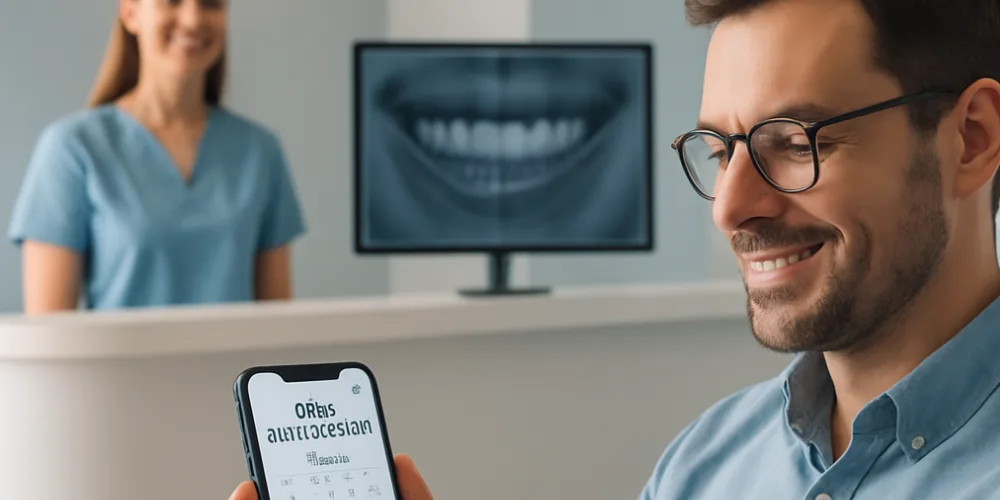
A modern dental practice isn't defined by how advanced its equipment is, it's defined by how little friction a patient feels between wanting an appointment and actually sitting in the chair. The digital patient experience covers every one of those steps: the search that leads someone to a practice, the booking, the intake forms, the imaging, and everything that happens after the visit ends. Get it right and patients accept more treatment, refer more often, and no shows quietly disappear. Get it wrong, and even excellent clinical work gets buried under a clunky website and a paper clipboard.
One question worth answering directly, since it comes up constantly: how do digital tools actually improve the patient experience of booking a scan? The short version is that online scheduling tied directly to the practice management system lets a patient pick a slot, confirm insurance details, and receive automated reminders without a single phone call, and industry data backs this up clearly, 67% of dental patients now expect online scheduling as the default, not a nice extra. The rest of this guide walks through building that same standard across the entire patient journey, not just the booking step.
Finding the real bottlenecks starts with mapping the full flow, from the first Google search through years of ongoing care, and attaching real numbers to each step rather than relying on assumptions about what patients want. This is where personal work earns its keep: understanding what an actual patient needs at each decision point, not a generic profile pulled out of thin air.
At the discovery and booking stage, mobile friendly booking should sit front and center, ideally alongside visual tools like a smile design gallery, with clear calls to action and basic security handled properly in the background. Best in class dental sites convert somewhere around 15% of visitors into booked consultations, most fall well short of that.
At the pre visit stage, incentivizing completed intake forms, sending digital check ins, and using teledentistry for triage when appropriate all point toward the same goal: fewer wasted appointment slots, a better prepared patient, and treatment planning that starts from a stronger foundation. Completion rates on automated pre visit forms typically land between 70 and 85% when reminders are handled well, a meaningful jump over manual paper intake.
During the visit itself, combining intraoral scanners, digital radiography, and chairside design tools turns treatment planning into something a patient can actually see and understand rather than a verbal description they have to take on faith, which tends to accelerate the decision to proceed.
After the visit, the trust built during the appointment shouldn't go to waste. Digital check-ins for eConsent, easy access to saved treatment visuals, and a smooth path back into the system for follow up care are what keep a patient's full journey, not just the discovery to booking dental care experience, moving forward instead of stalling out after one visit. Appointment reminders done well are a small piece of this that punches well above its weight on retention.
At every one of these handoffs, images and scans need to sync cleanly with the practice's EHR, HIPAA compliance has to stay front of mind, and access needs to be logged and segmented properly. More frequent digital touchpoints, paired with quick visual demos and real time imaging, turn patient education into something that feels like part of the care itself rather than an upsell.
A genuinely modern dental patient experience system needs to be layered, open, and built to swap out individual pieces without tearing down the whole stack. Buy what can be replaced later. Integrate through open standards rather than proprietary lock in. Be skeptical of any all in one suite that makes it hard to export your own data.
On the front end, a responsive, mobile first site matters more than almost anything else, since booking and record access need to work instantly on a phone, not just a desktop. Patient portals should be simple enough that nobody needs a walkthrough to find their appointment or their records.
For intake and communication, kiosk or mobile intake forms make the tedious parts tolerable and pair well with automated reminders, the real win isn't just less staff workload, though that matters too, it's a genuine drop in appointment gaps. Our breakdown of digital dental forms covers the specific fields and formats worth prioritizing first. Two way encrypted messaging, including a teledentistry option for quick triage, saves time on both sides while building trust rather than eroding it, and HIPAA compliant texting is worth getting right before rolling out any messaging workflow broadly.
Clinical imaging is where a lot of the patient facing "wow" factor comes from: intraoral scanners and digital radiography, including CBCT where appropriate, take the guesswork out of diagnosis and planning. When that imaging integrates directly with the EHR, it becomes something a clinician can pull up mid consult to make options genuinely visual instead of abstract. Chairside CAD/CAM systems enable same day crowns, and using open file formats like STL keeps a practice from getting locked into a single lab relationship indefinitely.
On the advanced end, AI assisted image analysis is worth taking seriously rather than dismissing as hype: studies on AI assisted caries detection report roughly 94% sensitivity compared to about 78% for radiograph only review, a meaningful gap in diagnostic accuracy that compounds over a full patient base.
Behind all of this, practice management and analytics systems need to actually talk to each other, ideally over open standards like FHIR or HL7, with marketing dashboards and CRMs tracing the full path from ad click to booked appointment. None of this holds up without proper security either, multi factor authentication, encryption, and signed business associate agreements aren't optional extras, they're what keeps a data breach from becoming an existential threat to the practice.
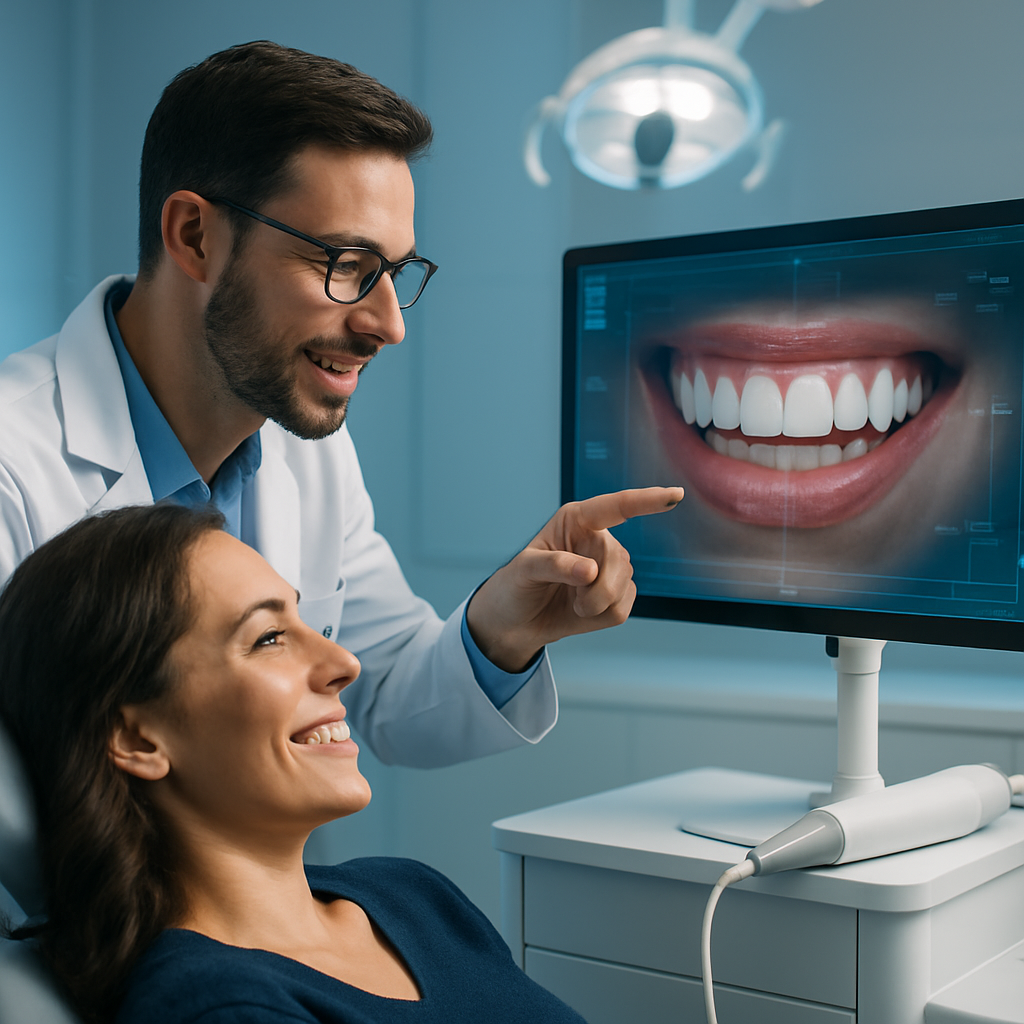
Every layer described above depends on one unglamorous capability: dental data conversion, moving scan files, imaging data, and patient records cleanly between systems without losing accuracy or creating duplicate records. A practice running a scanner from one vendor, a lab relationship with another, and a PMS from a third needs that data to convert correctly every single time, and this is exactly where a lot of digital transformation efforts quietly stall.
The practical fix is demanding open export formats before signing with any vendor, STL files for scans, standard imaging formats for radiography, and PMS systems that support real bidirectional sync rather than one way data dumps. Test this before rolling anything out broadly: a quick, unglamorous pilot that moves real patient data between two systems will surface conversion problems far faster than any vendor demo will. Skipping this step is how practices end up with duplicate patient records, mismatched treatment histories, or scans that simply won't open in the software the lab actually uses.
Simplify aggressively. One tap bookings and a genuinely fast, responsive interface are what separate the practices converting 15% or more of visitors from the ones converting a fraction of that. Every extra step or distraction in a booking flow costs real conversions, not hypothetical ones, and reducing form abandonment is usually the fastest lever available to fix that.
Accessibility isn't nice to have here, it's directly tied to revenue: proper alt text, sufficient contrast, clear labels, and support for multiple languages all reduce friction for patients who would otherwise bounce off a confusing form. Progressive disclosure, collecting only what's essential upfront and letting less urgent details wait, makes the whole process feel lighter and tends to reduce front desk complaints noticeably.
Specific flows worth designing carefully: online booking through to instant confirmation with easy rescheduling built in, pre visit information flowing directly into the chairside consult so imaging tech actually clarifies rather than confuses, visual treatment planning tools used alongside live scans to make case acceptance more collaborative, and teledentistry used deliberately for triage and simple post op checks rather than as a blanket replacement for in person care.
Visuals do real work chairside too. Scan viewers and annotated mockups build both clarity and a sense of competence, and patients genuinely respond to that combination. Highlighting same day crowns and in house restorative capability, when a practice has them, tends to close cases faster simply because speed and predictability matter to people making a treatment decision.
Trying to track everything is how measurement programs quietly die. A tighter list works better: booking conversion, pre visit form completion, no show rate, treatment acceptance, and patient satisfaction scores. Data quality matters more than any single metric, mismatched CRM and PMS records or unmapped marketing channels below a 90% match rate will quietly send a practice chasing the wrong fixes.
Every metric, clinical, operational, and marketing, belongs on one performance dashboard visible to whoever owns the outcome, reviewed weekly rather than left for a quarterly meeting nobody remembers to schedule. Pilot changes in four to eight week sprints, and for anything with real budget behind it, run an actual lift test rather than trusting last click attribution by default. Document which specific lever moved the number, not just that the number moved.
A useful format for reporting results: name the problem, describe the one change made, and report the outcome in a single sentence. For example, moving new consults to digital check ins paired with intraoral scans might drop a no show rate from 23% to 9% while cutting time to crown by 40%, with patient experience scores rising alongside it. If a pilot doesn't clear that bar, it's worth moving on rather than scaling something that never earned its keep.
Set two or three high leverage goals rather than a long wish list, no show rate, treatment acceptance, and booking conversion are usually the right starting three. Map the actual patient journey with ten to twenty real patient interviews rather than assumed personas, and map the technical stack end to end at the same time, including exactly where data has to convert between systems.
When evaluating vendors, treat security and open APIs as non-negotiable gate checks, business associate agreements, encryption, multi factor authentication, and FHIR or HL7 support along with open export formats. Pilot in a contained way first, one location or one service line, running four to eight weeks with everything instrumented, and capture real dashboard evidence rather than polished screenshots built for a sales deck.
Check integrations and backups obsessively before a full launch, a rollback plan matters more than confidence at this stage. Training should be hands-on rather than a passive walkthrough, and identifying a clinical champion for newer tools like intraoral scanning tends to drive adoption faster than any top down mandate. Once live, keep a weekly rhythm on the metrics that matter rather than waiting for a quarterly review to catch a problem that's been compounding for months. And treat this as ongoing, not a one time project, small iterative improvements compound in a way a single big rollout never quite matches.
For smaller practices, this whole cycle typically runs three to six months: a couple weeks on goal setting, four to six weeks selecting vendors, then a four to eight week pilot with fast tracked staff training. For mid size groups or DSOs, expect six to twelve months once multi site rollout, centralized dashboards, and staged onboarding get added to the mix, and what a virtual treatment coordinator actually does is worth reading if staffing capacity is part of what's slowing the rollout down.
The financial math is straightforward even if the numbers feel large upfront: weigh capital purchase against a subscription model for imaging and CAD/CAM systems, and expect the real return to come from fewer mistakes, more same day procedures, stronger case acceptance driven by better visuals, and fewer no shows through proper digital check ins. Annual technology spend across dental practices typically runs 3 to 6% of gross revenue, with intraoral scanners specifically paying back within about 18 to 24 months for practices using them consistently. Pilot before any large spend, and tie marketing dollars directly to booked patients rather than impressions, since anything looser than that risks becoming an expensive guess dressed up as a strategy.
Start with the step that unlocks everything else: smoothing booking and access, since nothing downstream matters if prospective patients can't get through the door in the first place. From there, layer in clinical imaging and high trust chairside visuals like smile design and live scans. Choose technology built on real world standards like FHIR and HL7, take security seriously from day one rather than retrofitting it, and unify operational and marketing metrics into one dashboard the whole team actually understands. Keep the earliest flows simple: mobile first booking, fast intake, and visuals that do real persuasive work. Then measure relentlessly, and if a dollar spent isn't showing up in either a better patient experience or a clearer return, cut it fast rather than letting it linger on faith.
How can digital tools improve the patient experience of booking a scan?
Online scheduling tied directly into the practice management system lets a patient choose a time, confirm insurance, and get automated reminders without a phone call, and pairing that with digital pre visit forms means the imaging appointment itself starts on time instead of backing up the whole day's schedule.
How do digital check-ins reduce no shows?
By making reminders automated, low friction, and confirmable or reschedulable in a single tap. Layering online booking, digital check ins, and text reminders together is what typically pulls a no show rate from 25% or higher down into the single digits.
Can digital smile design genuinely improve treatment planning?
Yes. Paired with chairside scans and a lab workflow that's actually integrated, it lets a patient see the outcome before committing, keeps the whole clinical team aligned on the plan, and makes remakes noticeably rarer.
Which KPIs should a practice track first when building out a digital patient experience system?
Start with online booking conversion, aiming for something close to the 15% best in class benchmark, pre visit form completion, no show rate, treatment acceptance, and a patient satisfaction score, ideally an NPS above 50 and CSAT above 80%.
How do practices keep patient data secure through all of this digital conversion?
Treat patient data as genuinely sensitive at every step: signed business associate agreements, end to end encryption, multi factor authentication, and tightly scoped access controls, backed by regular third party audits and an actual incident response plan. HIPAA compliance isn't optional at any point in this stack.
When does teledentistry make sense versus an in person visit?
Teledentistry fits triage, simple follow ups, and anything that doesn't require hands-on clinical work. Complex or definitive treatment still needs an in person visit, teledentistry is a complement to the patient journey, not a replacement for the core of it.
What's a realistic ROI timeline for adopting these tools?
Across practices that do this well, expect better case acceptance, fewer remakes, faster turnarounds, and less administrative drag, with payback typically landing in the 12 to 24 month range, faster when marketing attribution is actually closing the loop from ad spend to booked revenue rather than stopping at click data.


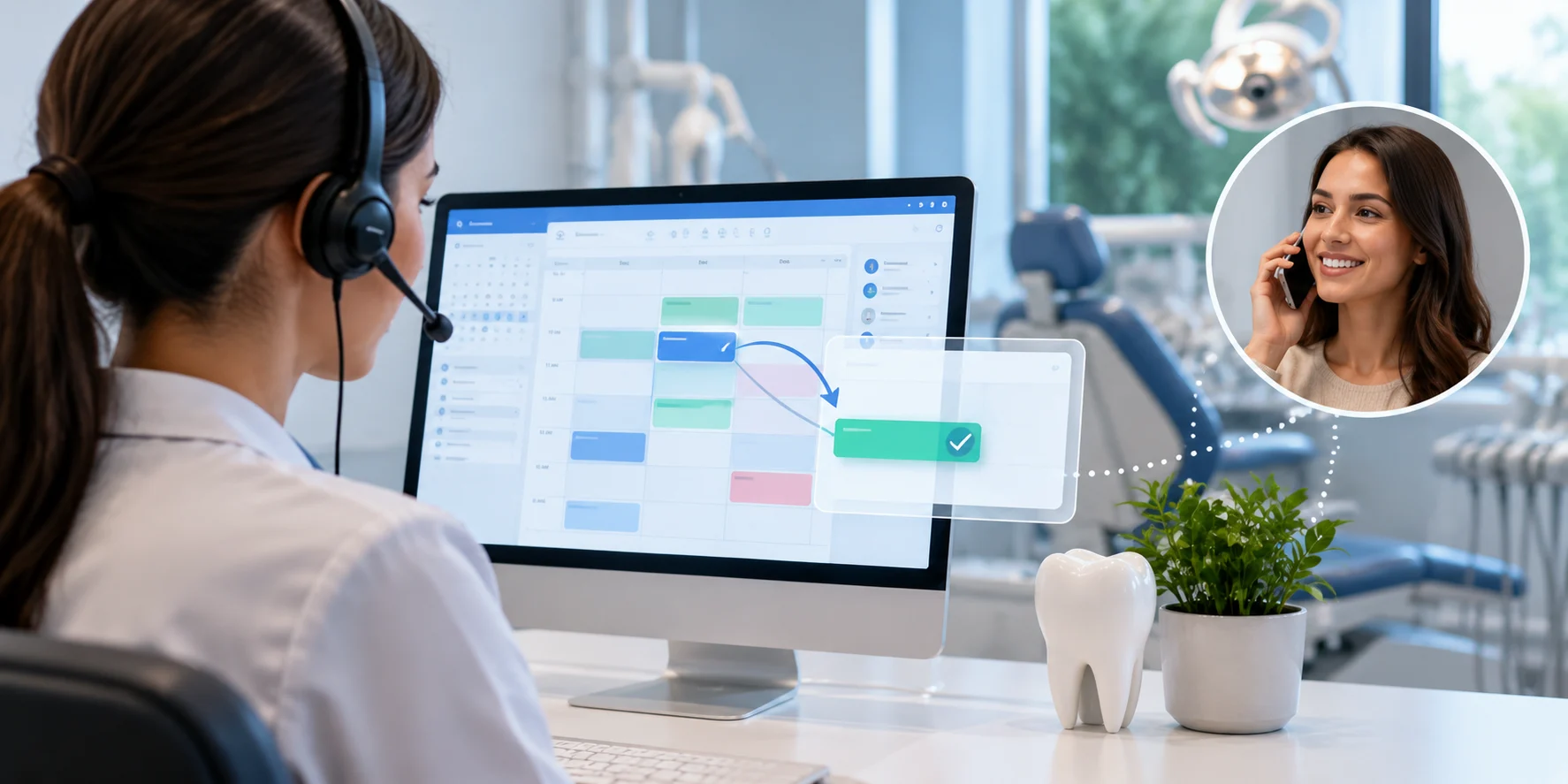
September 24, 2026
6 min
An AI receptionist checks real-time schedules, matches providers and rooms, and confirms before updating, helping dental practices reschedule appointments without double-booking.
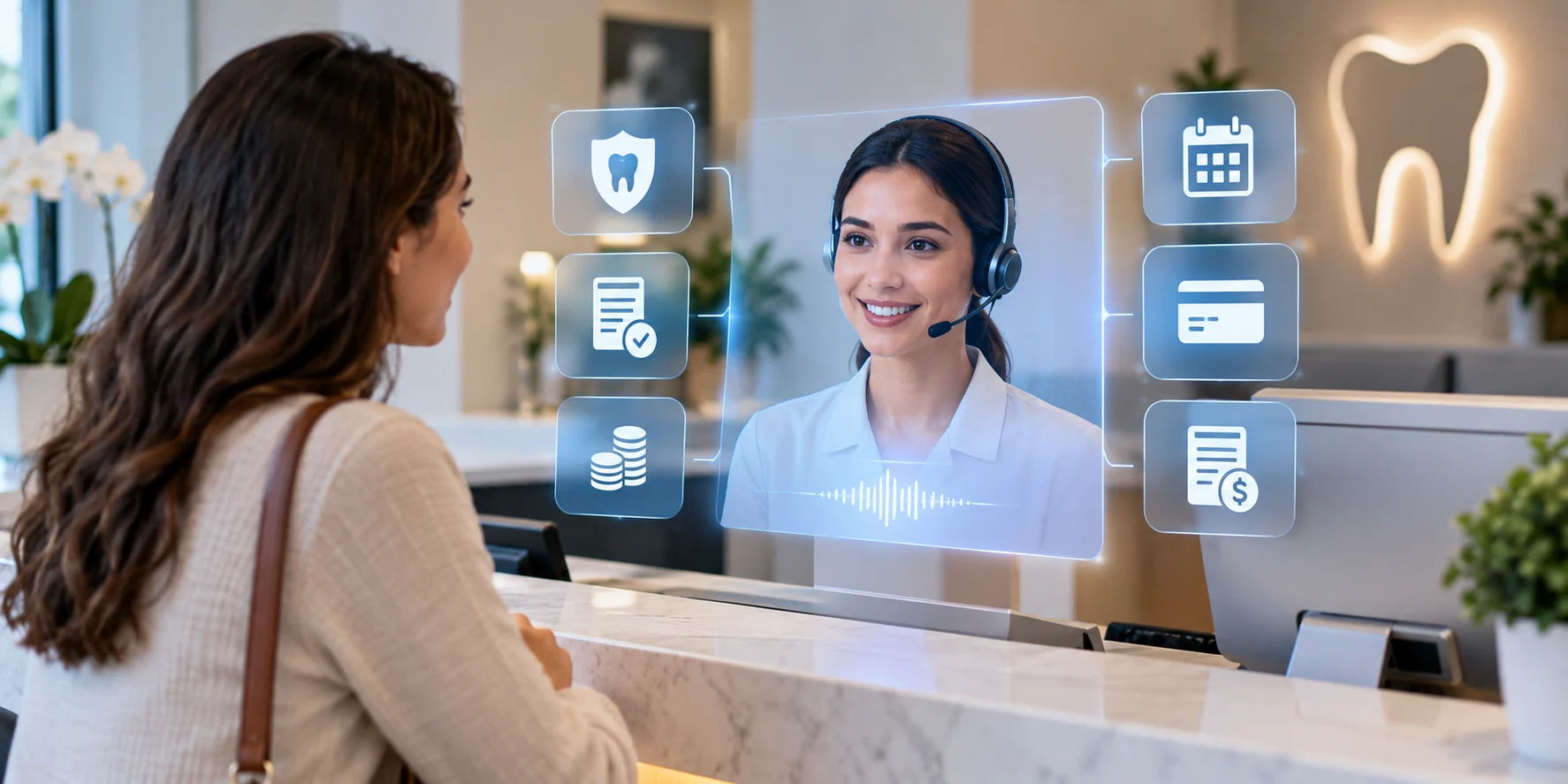
September 23, 2026
6 min
AI receptionists can explain insurance verification, collect plan details, clarify billing terms, and answer payment questions, then pass complex account issues to your billing team.
September 21, 2026
9 min
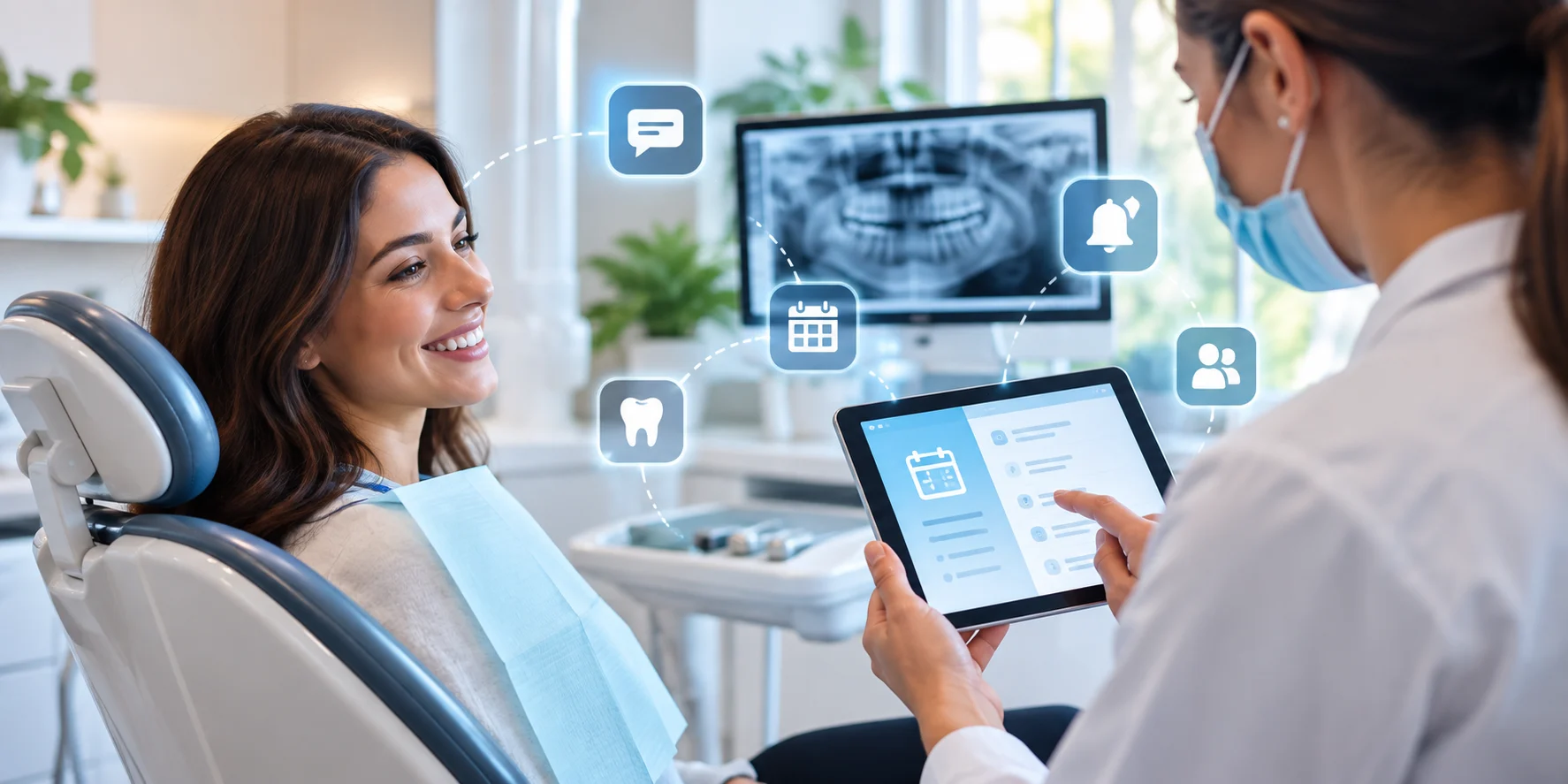
Improve dental patient experiences with engagement technology that streamlines scheduling, strengthens retention, and eases front-desk workload.
Sign Up Now & Someone from Our Team Will Be in Touch Shortly!
Use the form below to send us a message, and we’ll get back to you as soon as we can.
.webp)
Track every marketing dollar and optimize patient conversions with ConvertLens. Gain valuable insights from your campaigns, ensuring you never miss a potential patient. Maximize ROI and grow your practice effortlessly.
-p-500.webp)